Dream Culture Font Review
As a web designer, I’m always on the lookout for fonts that bring character and personality to digital projects without sacrificing usability. Dream Culture caught my eye with its elegant blackletter style, and after testing it in several real-world layouts, I’m excited to share how it performs in the digital space.
First Impressions: A Vintage Touch for Modern Design
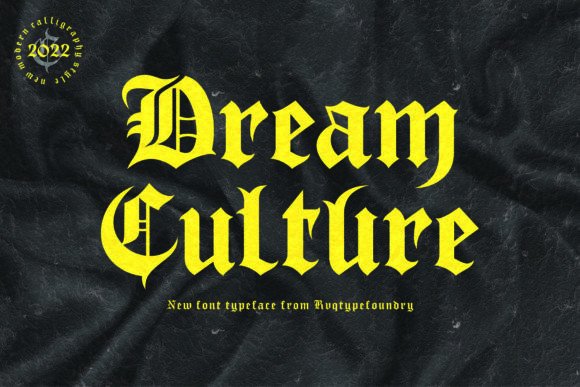
The first time I used Dream Culture in a hero section, it felt like adding a vintage stamp to a modern design. The font has a timeless charm—its sharp serifs and flowing curves evoke a sense of craftsmanship that feels both classic and contemporary. It’s not just a typeface; it’s a mood booster for any website looking to stand out.
What makes Dream Culture unique is its versatility. By mixing uppercase and lowercase letters with alternative glyphs, you can create a custom look that feels handcrafted. This flexibility is perfect for branding elements where a little personality goes a long way.
Using Dream Culture in Web Layouts
I tested Dream Culture in a few different scenarios, starting with a boutique online store landing page. The font worked beautifully as a headline, drawing attention without overwhelming the rest of the design. When paired with a clean sans serif for body text, it created a balanced contrast that felt professional yet creative.
On mobile devices, Dream Culture held up well. The characters are clear enough to read on smaller screens, especially when used for short phrases or headings. However, I noticed that very small sizes or dense text could become harder to read, so it’s best reserved for display purposes rather than body copy.
One of the most useful features is the availability of alternate glyphs. These allow for subtle variations in letterforms, which can be great for logos or decorative elements. Whether you’re designing a call-to-action button or a social media graphic, Dream Culture adds a touch of sophistication.
Best Uses for Dream Culture in Digital Projects
Dream Culture shines in areas where visual impact matters most. For example, on a creative portfolio site, it works perfectly as a heading or title. On a coaching website, it can elevate a mission statement or tagline. In a product landing page, it adds a premium feel to headlines and CTA buttons.
It also pairs well with other fonts. I found that combining it with a simple serif or sans serif font creates a harmonious balance. This makes it ideal for websites that need a mix of elegance and clarity, such as a blog redesign or a brand identity project.
For a course sales page, Dream Culture added a sense of exclusivity to the main title. It made the content feel more curated and intentional, which is exactly what you want when selling digital products.
Readability and Responsiveness
When using Dream Culture on image overlays or dark backgrounds, it maintained good contrast and legibility. However, on light backgrounds or with low-contrast color schemes, some characters became slightly harder to distinguish. It’s important to test the font in your specific design context to ensure it reads well across all devices.
On responsive layouts, Dream Culture scaled smoothly. I didn’t notice any issues with spacing or alignment, even when the layout changed for different screen sizes. That’s a big plus for web designers who need reliable typography across platforms.
One thing to keep in mind is that Dream Culture isn’t meant for long paragraphs. Its intricate details work best in short phrases, titles, or decorative accents. If you’re designing a dashboard or an interface with lots of text, this font might not be the best choice.
Font Pairing and Design Flexibility
Pairing Dream Culture with a clean, modern font can help maintain readability while still allowing the blackletter style to shine. For instance, using it alongside a minimalist sans serif for body text creates a visually appealing contrast that enhances the overall design.
It also works well with script or handwritten fonts for a more organic look. This makes it a great option for personal branding or creative businesses that want to express individuality through their typography.
Before implementing Dream Culture in a client project, I always check the available styles, weights, and file formats. Ensuring that the font is properly licensed for commercial use is crucial, especially if it’s being used on a website or digital asset that will be sold or distributed.
Final Thoughts on Dream Culture
Dream Culture is more than just a font—it’s a design tool that brings character and charm to digital projects. Whether you’re building a new website, updating a brand, or working on a creative campaign, this blackletter typeface offers a unique blend of elegance and versatility.
Its ability to enhance visual storytelling and add a touch of authenticity makes it a valuable addition to any designer’s toolkit. Just remember to use it wisely, keeping readability and purpose in mind. With the right approach, Dream Culture can elevate your digital presence and make your designs stand out.